


The first truly cold morning changes what a letter feels like. You notice it when you sit down with a mug and a pen: the light is lower, the kitchen is quieter, and suddenly you want to write about soup and long sleeves and the tree on the corner that turned overnight. Autumn is the season that asks for paper.
What follows is a working checklist for fall happy mail — the paper, the ink, the little things that fit inside an envelope, and the prompts that make writing easy when your brain is full of other things. Use what helps and ignore the rest.
Start With Paper That Holds the Season
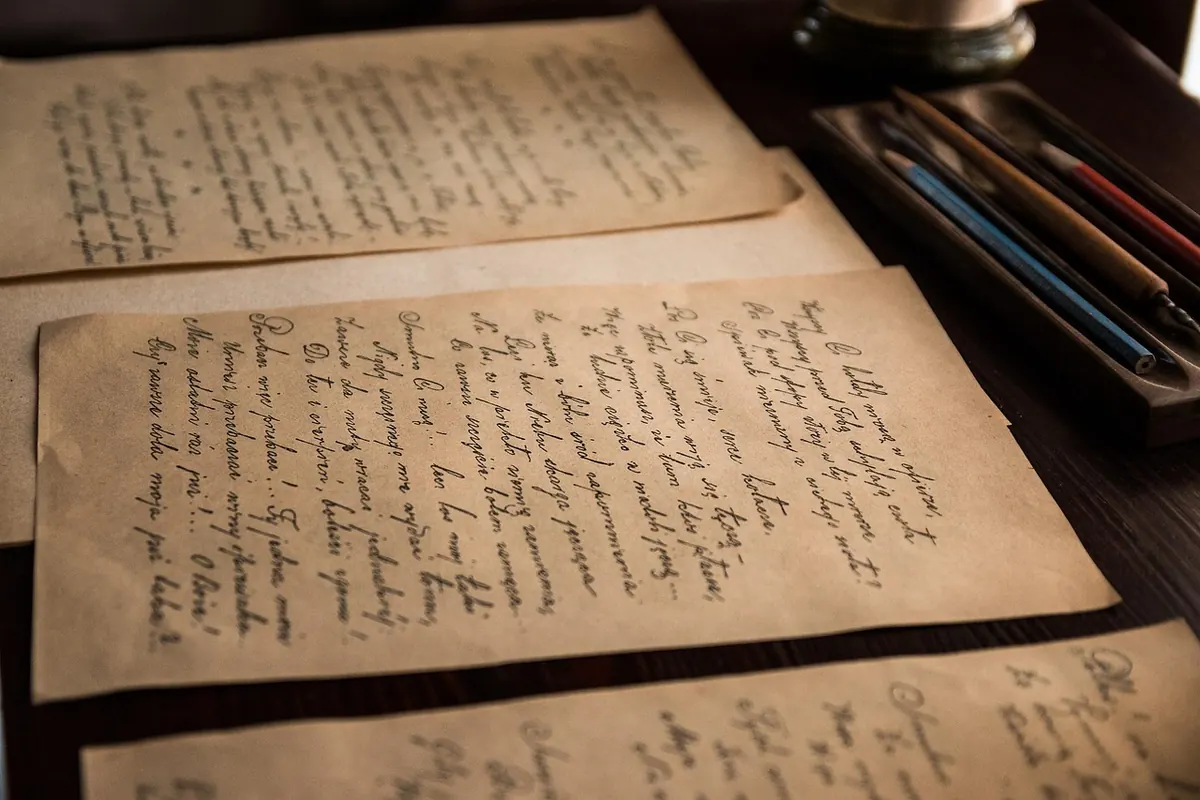
Autumn paper tends to be warm and slightly rough. Look for cream, oatmeal, kraft, soft grey, or heathered cardstock rather than bright white. A laid or lightly textured finish gives a fountain pen a little tooth, which makes handwriting look more deliberate than it is. Cotton-blend sheets feel expensive in the hand and take ink beautifully.
Weight matters more than most people expect. For letter sheets, something in the range of 90 to 120 gsm keeps both sides usable. For a card or a folded note, go heavier — 200 gsm or more — so it stands up in the mail and feels like an object rather than a receipt. Glossy paper is a hard no: ink sits on top of it, smears easily, and nothing glues to it cleanly.
Choosing a palette
- Cream or ivory, sepia ink, kraft envelope: the classic combination, hard to get wrong.
- Grey-blue paper, black ink, white envelope: quieter and more wintry, good for a serious letter.
- Oatmeal cardstock, fern-green ink, mustard envelope: more autumnal, still readable.
- Subtle printed patterns — tiny leaves, thin plaid, acorns in a repeating line — work best when they stay faint enough to write over.
Test any new paper with the pen you plan to use before you commit to it. Some inexpensive papers feather badly, which turns handwriting into a blurry mess halfway down the page.
Ink, Envelopes, and a Cozy Palette
Ink colors that suit fall: sepia, oxblood, burnt orange, forest green, dark teal, and a warm charcoal. A deep blue-black still reads as autumn if the paper is cream. What you want to avoid is anything pale enough to tire the reader's eye — light gold and pastel orange look lovely on the page and nearly disappear under a kitchen lamp.
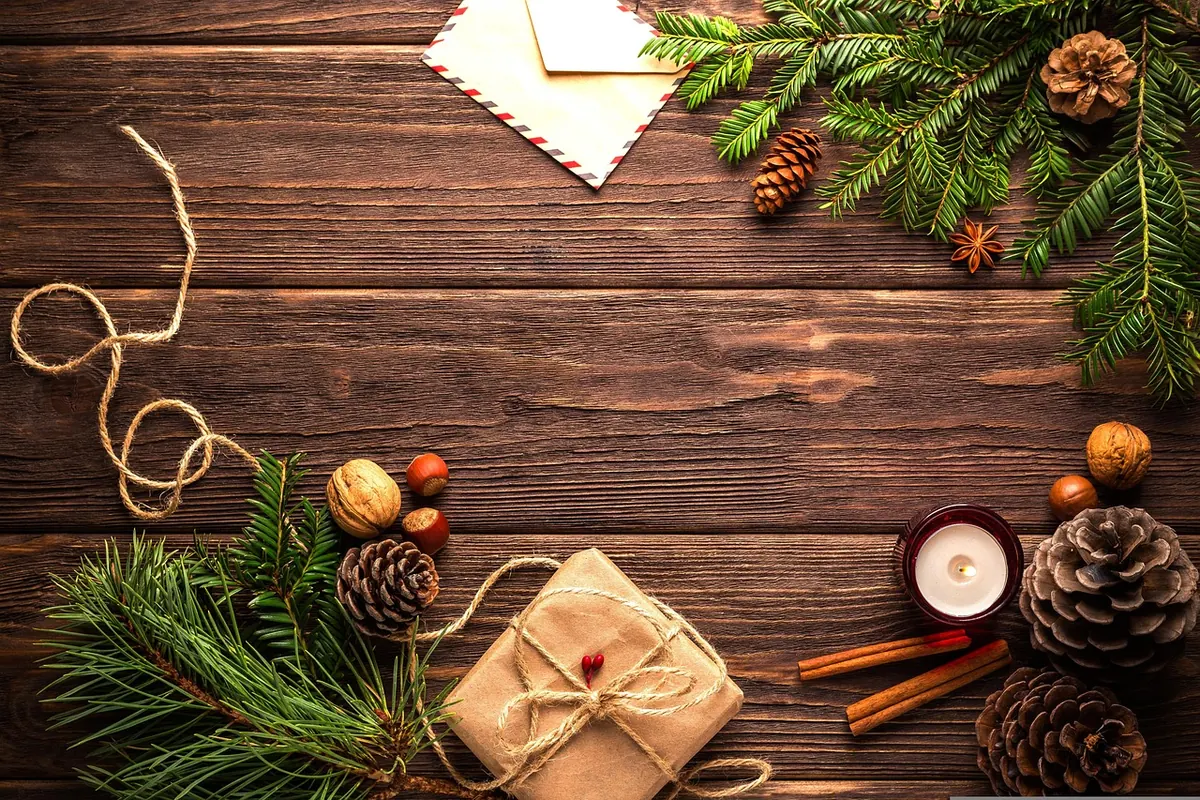
For envelopes, kraft and recycled brown are the default for a reason. They take white gel pen, black ink, and dark green ink equally well, and they survive handling with a bit of character. If you want something different, look for deep mustard, olive, or a warm rust tone in a standard size so you aren't hunting for unusual postage rates.
Wax seals, washi tape, and rubber stamps add texture, but keep the mail practical. Sorting machines dislike lumps. If you use wax, keep it thin, and consider asking the counter clerk to hand-cancel the envelope. Anything thicker than a quarter inch usually needs extra postage or a padded envelope.
Small Enclosures That Survive the Mail
The best enclosures are flat, light, and specific. A pressed oak leaf means more than a generic sticker because it came from a particular walk.
- A pressed leaf or small flower. Flatten it between pages of a heavy book for two weeks, then tape it to a card so it does not crumble in transit.
- A tea bag. Sealed in its own wrapper and tucked into a small glassine bag, it arrives intact and makes the envelope worth opening.
- A recipe card. Handwritten, four by six inches, on something sturdy. Add one line about why you like it.
- A bookmark. Cut from cardstock, punched, and threaded with a short length of ribbon.
- A photograph. A print of an ordinary scene — your street, your kitchen table, the view from a bus stop.
- A single page torn from a puzzle book or a small crossword you copied by hand.
- A short poem or paragraph copied out neatly, with the source noted underneath.
Skip loose glitter, confetti, and anything damp. Seeds and plant material are worth a second thought if the letter is crossing a border, since many countries restrict agricultural items; a flat leaf tucked in a greeting is generally fine, but check the rules if you are unsure.
Prompts for When You Don't Know What to Say
You do not need news to write a good letter. You need one clear observation and one question. Try any of these:
- Describe the walk you took this week, in three sentences, using one smell and one sound.
- What are you cooking or eating more of now that the evenings are dark?
- Tell them about an autumn from years ago that you still think about.
- Name three small things you noticed today that you would have missed in summer.
- What are you reading, watching, or listening to on repeat?
- Ask them something specific: what their kitchen window looks like right now, or what they do on the first cold Sunday.
Write the first paragraph as if you were talking to them at the kitchen table with the kettle on. The tidier version can come later, or not at all.
Making the Envelope Part of the Gift
An envelope is the first thing your reader sees, so give it ten extra seconds. Hand-letter the address rather than printing a label. Add a small drawing along the top edge or a row of vintage stamps if you collect them. Choose a return address label that matches the paper, and write the back flap in the same ink as the letter.
One practical rule: postal sorting equipment prints a barcode along the bottom edge of the envelope. Keep roughly the bottom half inch of the front free of decoration, handwriting, and tape so the address stays readable and the barcode lands on clear paper. Always include a return address — undeliverable mail with no return address simply disappears.
A Note on Timing
Fall mail competes with holiday mail. If you want a letter to arrive before Thanksgiving, send it by the first week of November; for a general autumn note, aim for late September through October, while the season is still happening. Letters about changing leaves that arrive in December lose a little of their charm.
If you mail several letters a month, keep a small log: who you wrote to, the date, and one detail you included. It prevents the awkward moment of sending the same pressed leaf story twice.
Send One Envelope This Week
Pick one person. Choose one prompt from the list above, one sheet of paper you actually like, and one flat enclosure. Write a page and a half, address the envelope by hand, and put a stamp on it before you can talk yourself out of it. Autumn happy mail does not need a theme, a craft room, or a perfect hand. It needs a stamp and a Tuesday evening.
Photo: jarmoluk / Pixabay