



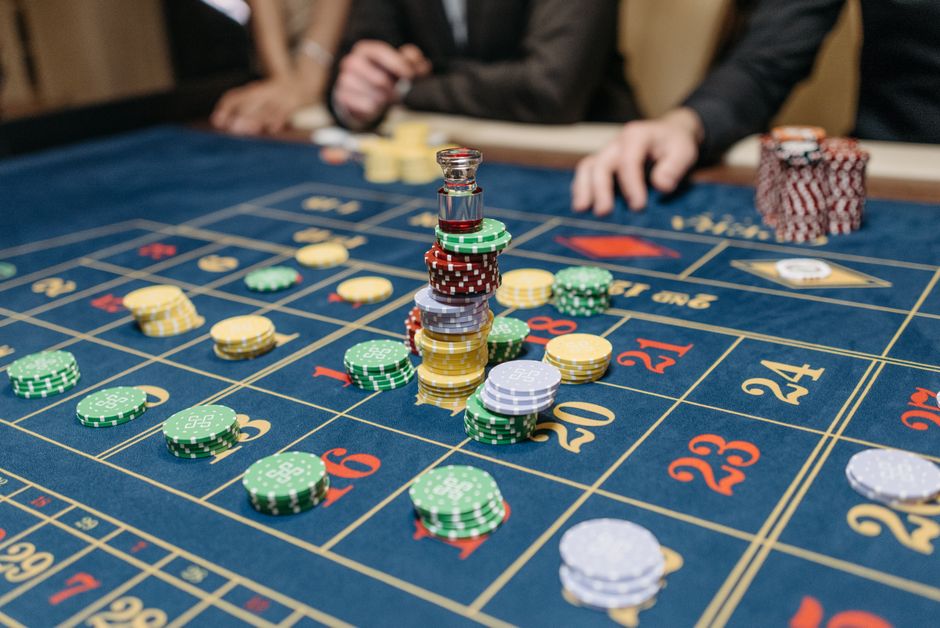

The first time you watch a roulette wheel spin, something primal happens. Your pulse quickens. Your palms sweat. And somewhere in the back of your mind, a tiny voice whispers: this time could be different. That voice is exactly why the iGaming industry generated over $100 billion globally last year, and why millions of people open a casino app before their morning coffee. But here's the thing the marketing brochures never tell you: the entire ecosystem is built on a single, elegant piece of mathematics called the house edge. Understand it, and you stop being a mark. Ignore it, and you're just another revenue line in someone's quarterly report.
The House Edge Isn't a Conspiracy — It's Arithmetic
Every casino game you've ever touched has a built-in mathematical advantage for the operator. European roulette has a single zero, giving the house a 2.7% edge. American roulette adds a double zero, nearly doubling that edge to 5.26%. Blackjack, played with basic strategy, can drop the house advantage to as low as 0.5%. That difference sounds trivial, but over 1,000 hands it's the gap between losing $50 and losing $500.
Slots are a different beast entirely. Their house edge — usually expressed as RTP, or return to player — typically ranges from 92% to 97%. The 3% to 8% you leave behind isn't a bug; it's the entire business model. Video poker, by contrast, can hit 99.5% RTP with perfect play, which is why sharp players treat it less like gambling and more like a skill game with variance.
Here's the practical takeaway: the game you choose matters more than the strategy you bring. You can be the best slot spinner in the world and still lose to a bad math model. You can play mediocre blackjack and still grind out small wins if the rules are favorable.
Slots: Engineered for Dopamine, Not Payouts
Modern slot machines are psychological masterpieces. Developers use variable ratio reinforcement schedules — the same mechanism that makes social media addictive — to keep you spinning long after your bankroll says stop. A single session can trigger hundreds of micro-rewards: near-misses, cascading wins, bonus features that fire just often enough to feel inevitable.
If you're going to play slots, at least play smart. A few concrete rules:
- Check the RTP before you spin. It's usually buried in the paytable or help menu. Anything below 95% is a bad deal.
- Volatility matters more than RTP. Low-volatility slots pay small and often; high-volatility slots can go cold for 200 spins before a massive hit. Match the volatility to your bankroll.
- Bonus buy features are not free money. A 100x bonus buy means you're paying 100 times your bet for a feature that averages 97x back. That's a guaranteed loss in the long run.
The uncomfortable truth is that no slot strategy changes the math. Bet sizing, timing, and which button you press don't matter. The only lever you control is when to walk away.
Poker Is the One Game Where You Can Actually Win
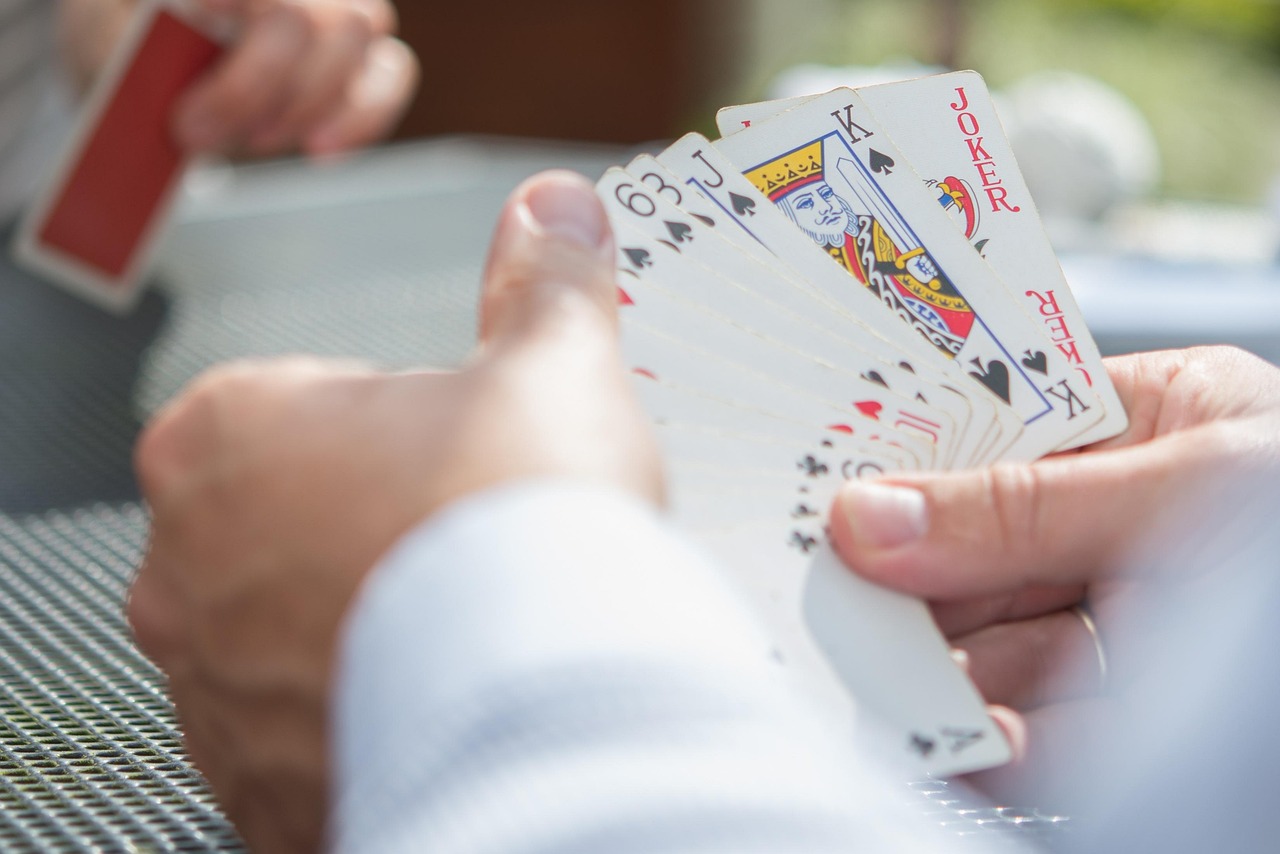
Poker is unique in the iGaming world because you're not playing against the house — you're playing against other players, and the house takes a rake. That means a skilled player can achieve a positive expected value over thousands of hands. It's the only major casino game where long-term profitability is a realistic goal, not a fantasy. A detailed guide is available at L'Avenue Dubai.
But here's what the poker boom influencers won't tell you: most players lose. The distribution of winnings in online poker is brutally top-heavy. The top 5% of players take home the vast majority of the money, and the rest fund the ecosystem. If you're not willing to study hand ranges, pot odds, and opponent tendencies for hundreds of hours, you're the fish at the table.
Start with these fundamentals:
- Play tight from early position. Fold marginal hands without hesitation.
- Understand pot odds and implied odds before you call a draw.
- Track your results over at least 10,000 hands before judging your skill.
- Move down in stakes the moment you feel tilted.
Betting Markets: Where Information Beats Luck
Sports betting has evolved into something closer to financial trading than gambling. Sharp bettors use statistical models, injury reports, weather data, and line movement to find value. The closing line is the market's best estimate of true probability — if you consistently beat it, you have an edge.
The rise of prop bets, live betting, and cash-out features has made the experience more engaging, but also more dangerous for casual players. A cash-out offer mid-match almost always favors the bookmaker, because they price in a margin that accounts for the emotional state of the bettor. If you're sweating a parlay and the cash-out button looks tempting, that's exactly why it exists.
A smarter approach for most recreational bettors:
- Specialize in one or two leagues where you actually have knowledge.
- Line shop across multiple sportsbooks — the difference between -110 and -105 on 100 bets is real money.
- Never chase losses with bigger bets. That's how bankrolls die.
- Set a monthly loss limit and treat it as a sunk entertainment cost.
Bankroll Management Is the Only Real Edge
I've watched players with average skills outlast far more talented opponents simply because they managed their money better. The math is unforgiving: if you bet 10% of your bankroll per hand in blackjack, a normal downswing will wipe you out. If you bet 1%, you can survive hundreds of hands and wait for good variance.
A reasonable framework for most recreational players is to keep your gambling bankroll completely separate from your life savings, and never reload from outside that bankroll in a single session. If the money is gone, the session is over. Full stop.
This isn't moralizing. It's just how variance works. Even a 55% win-rate bettor goes on losing streaks that would terrify them if they hadn't sized their bets correctly.
The Bottom Line
The iGaming industry isn't going anywhere. It's regulated, taxed, and increasingly mainstream in dozens of jurisdictions. That's fine — adults should be free to spend their money on entertainment, and casino games, slots, poker, and sports betting are legitimate forms of it. But the players who actually enjoy the ride without regret are the ones who walked in with their eyes open.
Know the house edge. Respect the variance. Pick games where skill actually matters, if you want a shot at profit. And above all, treat the money you bring to the table as the cost of a night out — because for the vast majority of players, that's exactly what it is. The house doesn't always win, but it wins often enough that you should never bet against it. So instead, bet smart, bet small, and bet like someone who's already comfortable losing.